Puerto Rican bomba is one of the oldest musical and cultural traditions on the island. It originated during the 17th and 18th centuries among enslaved Africans who worked on the coastal plantations of Puerto Rico, particularly in regions such as Loíza, Mayagüez, Ponce, and Arecibo.
Bomba emerged as a powerful form of communication, cultural expression, and resistance. Through music, dance, and drumming, Afro-Puerto Rican communities shared news, celebrated important occasions, and preserved traditions brought from Africa.
The Instruments
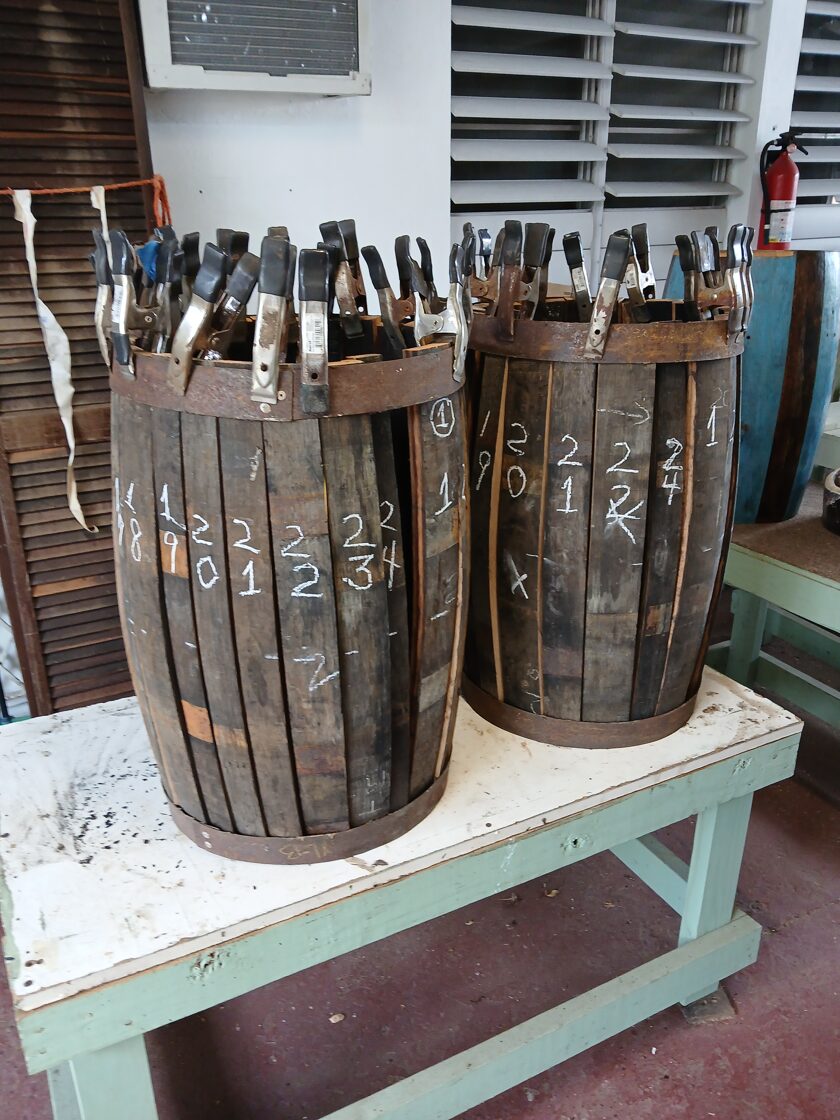
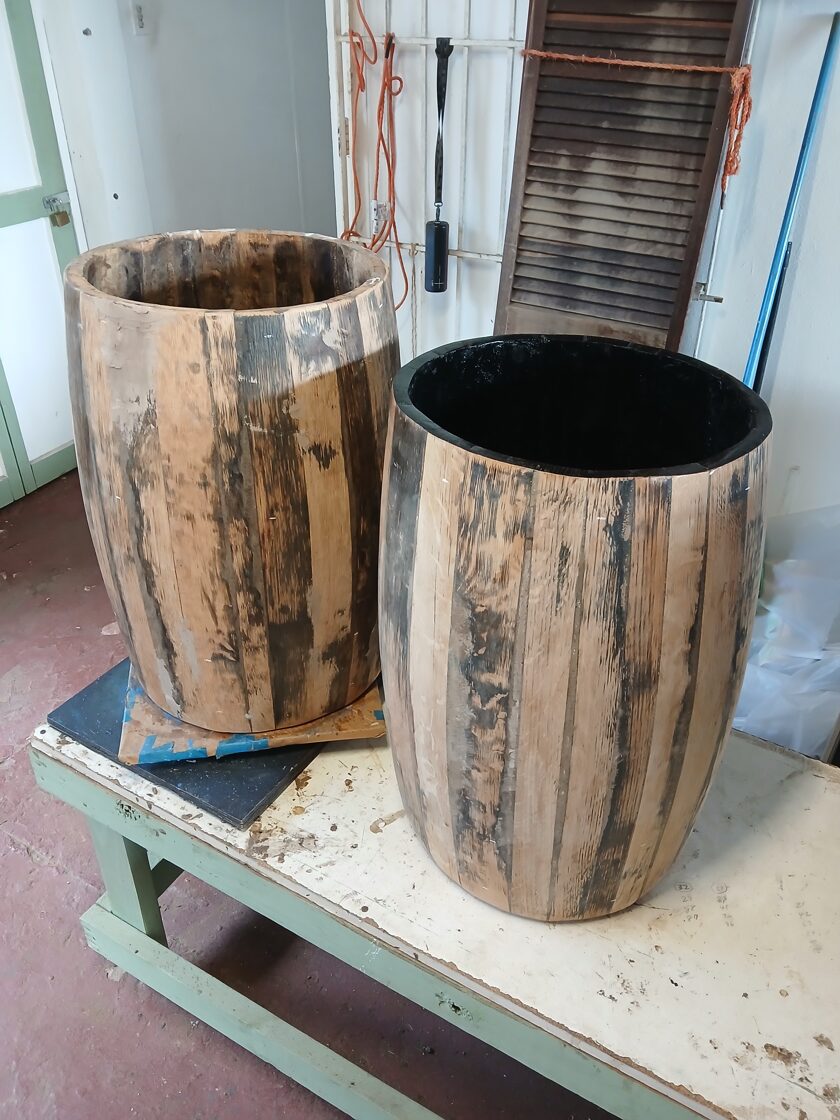
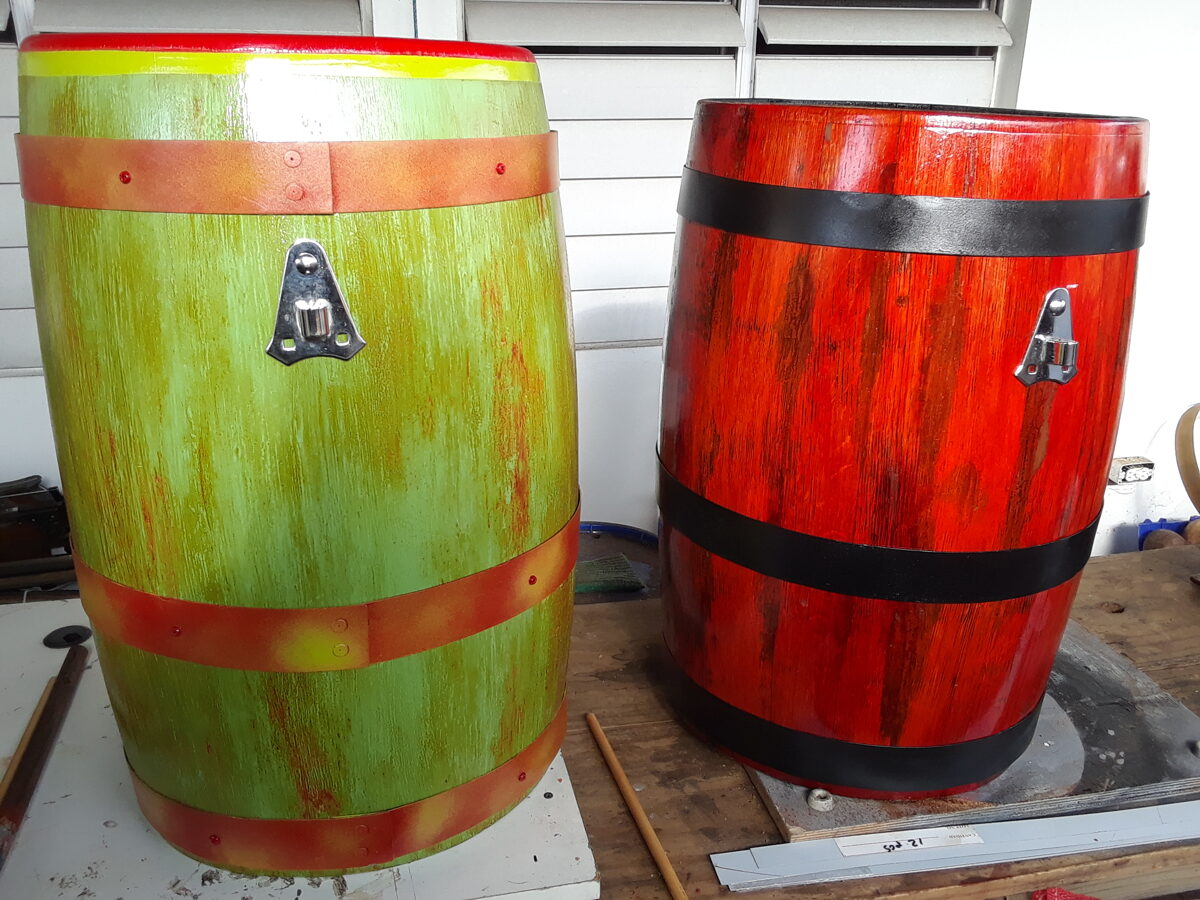
The principal instrument of bomba is the bomba drum (barril de bomba), originally made from wooden rum barrels covered with animal hide. A traditional bomba ensemble typically includes:
- Primo (Subidor): The lead drum that follows and responds to the dancer's movements.
- Buleador: The drum that maintains the foundational rhythm.
- Cuás: Two hardwood sticks struck against the side of the drum or a wooden surface to provide a steady rhythmic pattern.
- Maraca: Usually played by the lead singer.
The Dialogue Between the Drum and the Dancer
One of the most distinctive characteristics of Puerto Rican bomba is that the drum follows the dancer—not the other way around. The dancer performs expressive movements known as piquetes, and the Primo drummer immediately answers each movement with improvised rhythms.
This interaction creates a unique artistic conversation in which music and dance become a single form of expression.
Traditional Rhythms
Bomba includes several regional rhythms, each with its own tempo, character, and style of dance, including:
- Sicá
- Yubá
- Holandés
- Cuembé
- Leró
- Seis Corrido
- Belén
Each rhythm reflects a different mood and cultural tradition within the rich heritage of Puerto Rican bomba.
Bomba Today
Throughout the 20th century, dedicated families and cultural organizations worked tirelessly to preserve and pass on this tradition. Among the most influential are the Ayala and Cepeda families, whose commitment has been essential in keeping bomba alive and introducing it to new generations.
Today, bomba is recognized as a powerful symbol of Puerto Rican identity. It continues to be celebrated at festivals, schools, cultural centers, and community gatherings throughout Puerto Rico and in Puerto Rican communities around the world.
More Than Music
Puerto Rican bomba represents:
- Freedom and resistance
- Puerto Rico's African heritage
- Community unity
- Artistic and spiritual expression
- Puerto Rican cultural pride
As many tradition bearers often say, bomba is not only heard—it is felt, danced, and lived. Its history is also the story of the perseverance, creativity, resilience, and enduring spirit of the Puerto Rican people.
Instrumentos de la Bomba Puertorriqueña
Barril Primo o Subidor
Tambor principal de la bomba. Es el instrumento encargado de dialogar con el bailador, respondiendo a sus movimientos y creando improvisaciones rítmicas durante la ejecución.
Barril Buleador
Tambor que mantiene el ritmo base de la música. Su función es sostener la estructura rítmica sobre la cual el Primo desarrolla sus improvisaciones.
Cuás
Par de palos de madera que se golpean contra el costado de un barril o una superficie de madera. Marcan un patrón rítmico constante que complementa a los tambores.
Maraca
Instrumento de percusión tradicionalmente utilizado por el cantante principal. Ayuda a mantener el tiempo y aporta textura al conjunto musical.
Cantador o Cantante
Aunque no es un instrumento físico, la voz es un elemento fundamental de la bomba. El cantador dirige los cantos y el coro responde, creando el tradicional formato de llamada y respuesta.
Coro
Grupo de personas que responde a los versos del cantador principal. Su participación fortalece el sentido comunitario y la energía de la interpretación.
Barriles de Bomba
Tradicionalmente construidos a partir de barriles de madera reutilizados y cubiertos con cuero animal tensado. Cada barril posee una afinación y función específica dentro del conjunto.
En conjunto, estos elementos crean una expresión artística única donde música, canto y baile se unen para dar vida a una de las tradiciones más representativas de la cultura puertorriqueña.
Buleador
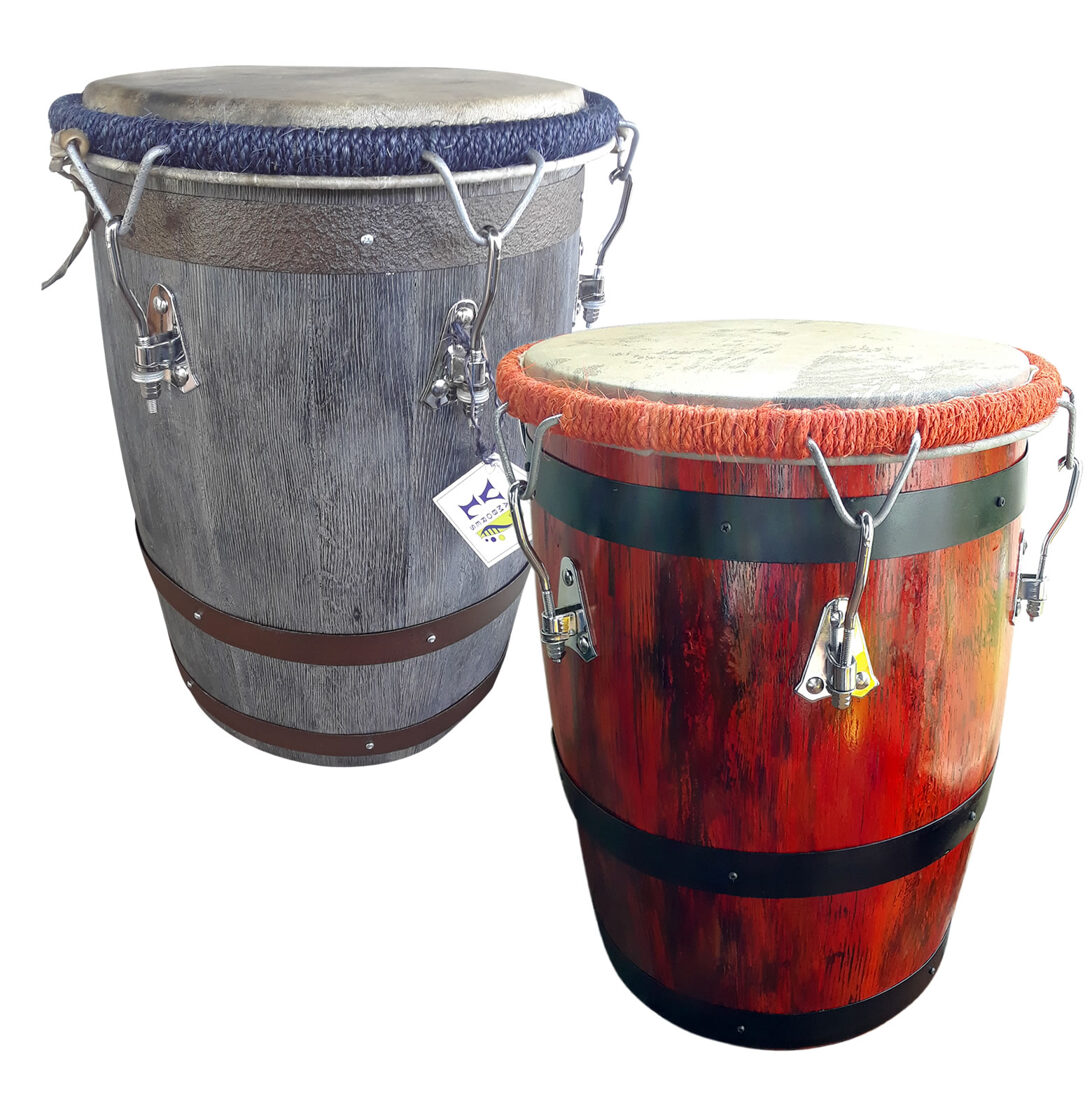
"Buleador"
The Buleador Drum plays a vital role as the second drum in a Puerto Rican bomba ensemble, establishing the steady rhythmic foundation that supports the improvisation of the lead drum, the Primo (Subidor).
Its distinctive rhythmic pattern defines both the style and the name of the bomba rhythm being performed. Known for its deep, rich, and resonant sound, the Buleador typically measures approximately 25 inches in height and more than 15 inches in diameter, providing the powerful pulse that anchors the music.
Primo
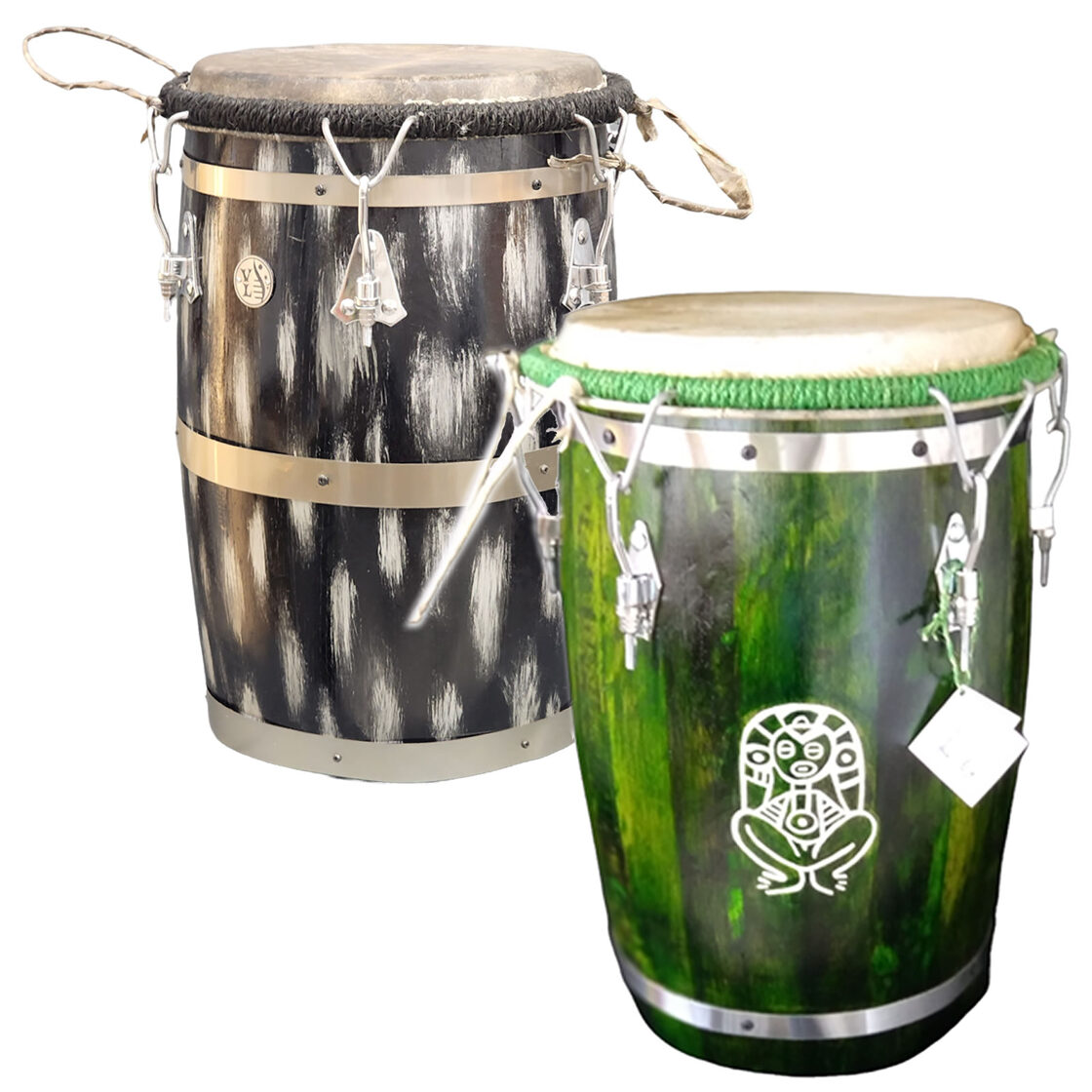
"Primo (Subidor)"
The Primo, also known as the Subidor, is the lead drum in a Puerto Rican bomba ensemble. Played by the lead drummer (tocador), it engages in a rhythmic dialogue with the dancer by responding to each movement with improvised rhythmic phrases known as piquetes.
With its bright, clear, and penetrating tone, the Primo adds energy, expression, and excitement to both the music and the dance. Traditionally measuring approximately 25 inches in height with a diameter of 13.5 to 14.5 inches, it offers the ideal balance of sound projection, responsiveness, and ease of performance, making it the most expressive drum in the bomba ensemble.
Cuas
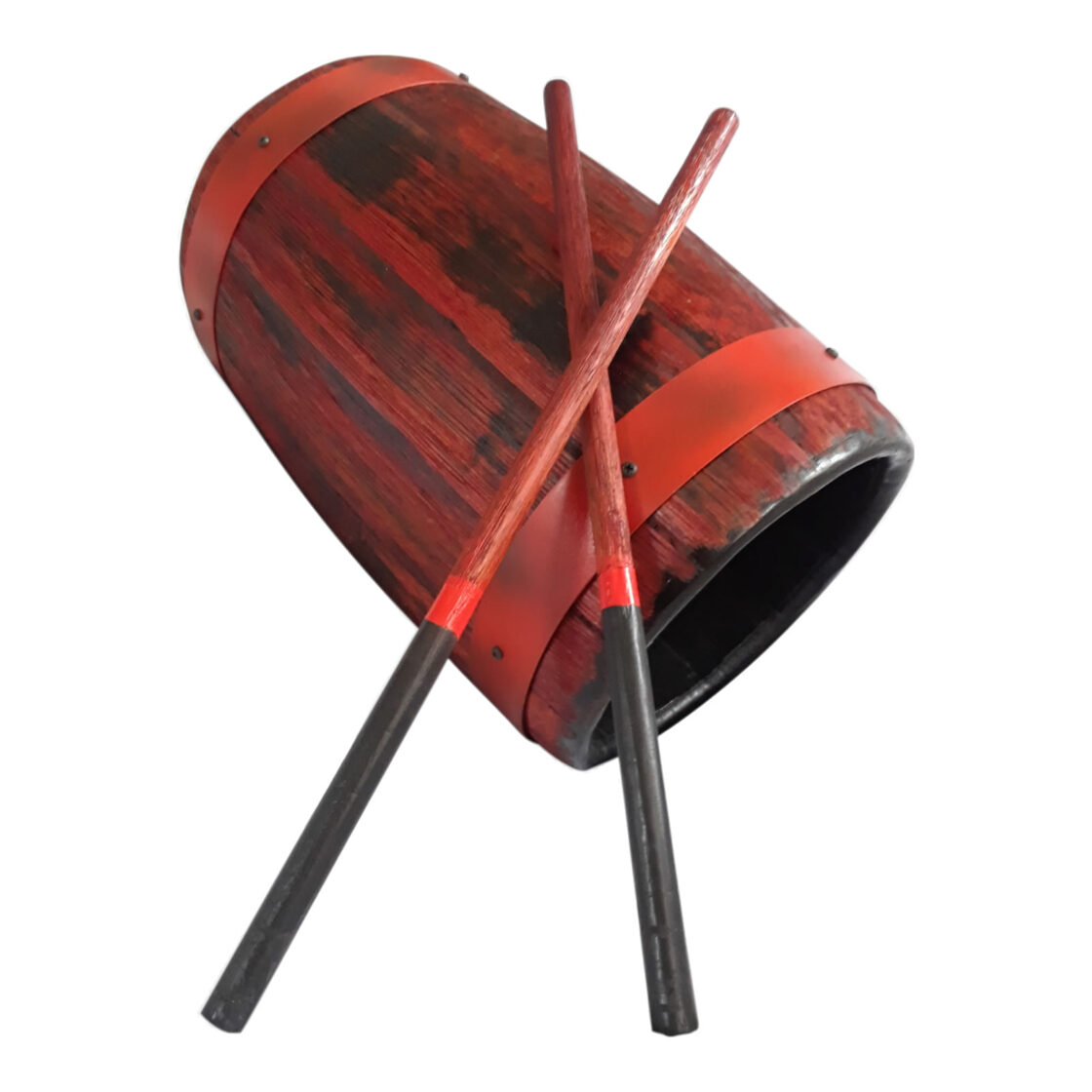
"Cuás"
Cuás are a pair of hardwood rhythm sticks used to accompany the drums in Puerto Rican bomba. They produce a steady rhythmic pattern by striking the side of a Cuás barrel or another resonant wooden surface, providing the rhythmic pulse that complements the drums.
Traditionally, Cuás are crafted from durable hardwoods, while the striking surface may be a small skinless drum, a wooden barrel, bamboo, or another type of wood capable of producing a bright, sharp sound. Although simple in design, the Cuás are an essential element of the bomba ensemble, helping maintain the groove and reinforcing the musical dialogue between the percussion, singers, and dancers.
Maraca
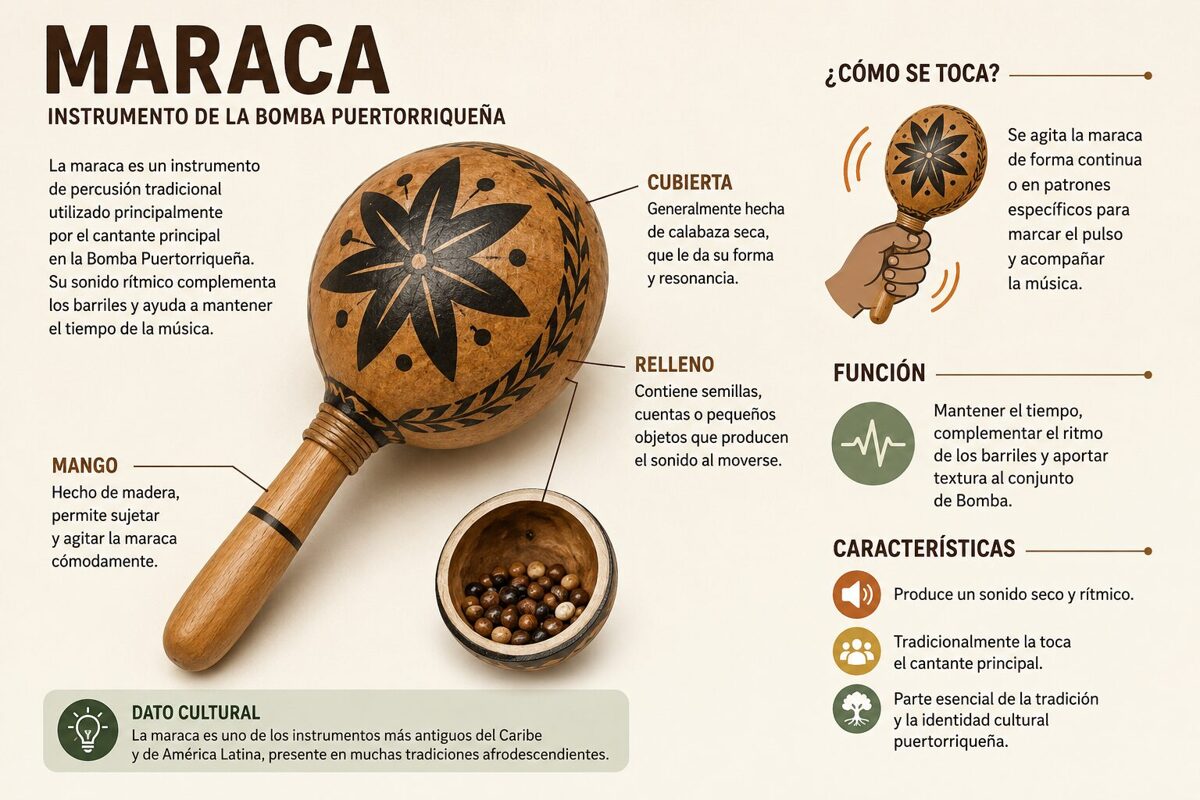
Maraca
The Maraca is a traditional percussion instrument used in Puerto Rican bomba. It is typically played by the lead singer (cantador) and produces a rhythmic sound through the movement of seeds, beads, or other small objects enclosed inside its hollow shell.
Its primary role is to complement the rhythm of the bomba drums and help maintain the tempo throughout the performance. The maraca adds texture, energy, and continuity to the ensemble while supporting the traditional call-and-response singing that is central to Puerto Rican bomba. Together with the drums, Cuás, voices, and dance, it contributes to the rich and dynamic sound that defines this treasured musical tradition.